
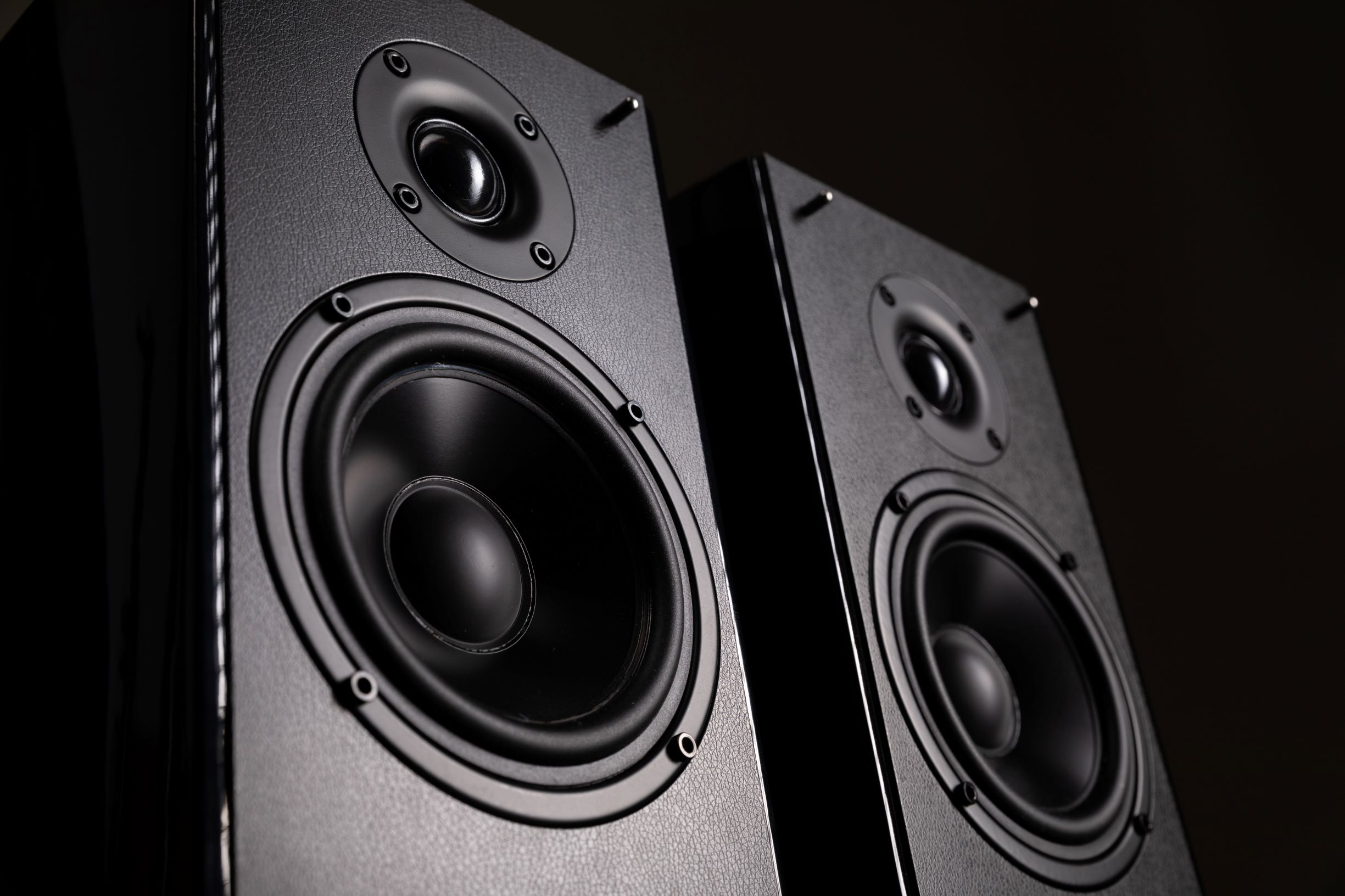
One of the most frequent problems when creating a home theater or media room is whether upgrading your sound system is worth the investment. Powerful audio systems can open up the world of movies, sports, and music in a whole new way, and we want you to know the difference at TV Solutions of El Paso. A regular TV speaker or standard soundbar can be loud enough, but they do not normally convey the depth, clarity, and emotion that the content creator wanted.
When selecting a sound setup, it is important to consider more than just the volume. It is possible to identify different types of sound systems and determine which one is best suited to the acoustics of your room, as well as your own viewing style.
Understanding the elements that make an Powerful Audio System.
The difference between a standard and a high-performance setup can be understood on the basis of the reproduction of sound. Typical systems, such as the flat-screen TVs’ built-in speakers, use small, limited-size drivers. The speakers will not be able to push enough air into the TV’s airspace due to the thinness of today’s televisions.
The very best sound system is built using a high-fidelity audio system, or one that tries to duplicate the original sound recording without distortion.
The “Core Components” of High-Fidelity Sound:
- Clean, consistent wattage to speakers without strain, dedicated Power Amplification.
- Multi-Driver Configurations: Separate tweeter (high frequencies), mid-range drivers and subwoofers (low frequencies).
- Acoustic Engineering: Cabinets to remove internal vibrations and unwanted resonance.
The key technical differences for Speaker Performance & Clarity
The main speaker performance difference between standard and premium systems is the difference in frequency response and dynamic range. Normal systems encode sound, so quiet conversations are difficult to hear, and loud noises sound harsh or distorted.
The sound clarity levels are explained.
Realistic depth is achieved on separate layers. If you upgrade, you see the results of this management of various frequencies right away:
- Crisp Highs: Dialogue, strings, and gentle ambient sounds are clear and distinct, but not piercing.
- Defined Mid-Range: This is where the human voice resides. Premium systems maintain dialogue separation from background noise.
- Deep controlled base: Normal systems tend to generate “muddy” or “boomy” bass. High power setups feature dedicated subwoofers for the bass frequencies that can be felt.
Audio Quality Comparison
| Feature | Standard Audio Systems | Powerful Audio Systems |
| Frequency range | Narrow (usually excluding deep bass and ultra-highs) | Full spectrum 20 Hz – 20kHz |
| Total harmonic distortion: | Low at high volume levels (will crackle) | Very low (will not crackle when loud) |
| Dialogue clarity | : Poor – often drowned out by background scores | Exceptional – dedicated center channels |
Selecting the proper setup for your El Paso Home
Each house layout has its own set of acoustics. The context of a large, open, modern home is one thing, and one for a cozy, dedicated media den is quite another. There are various types of sound systems available, and it will help you decide which system is suitable for your space if you explore different sound system types:
- Premium Multi-Channel Surround: Sound (5.1 or 7.1): Conventional surround sound setups with dedicated surround speakers around the room and a dedicated subwoofer to immerse you in the action.
- Advanced Dolby Atmos Systems: Supports up-firing or in-ceiling speakers to bring the feel of height to the mix – and sound effects to life in the air and around you.
- High-End 3-Channel Soundbars: A more compact and efficient version that mimics a broad soundstage with high-quality digital processing without having to install wires around the room.
Frequently Asked Questions:
What is the difference between standard audio and high-fidelity audio?
High fidelity sound is the reproduction of the sound in a manner that brings it out as close to the original recording as possible, with minimal distortion. The standard audio system tends to compress the sound file, eliminating the deep bass frequencies and all those crisp high notes, leaving the sound a flatter one with lower immersion.
Why is the voice quite muffled when played through normal TV speakers?
Flat-screen TVs simply don’t have enough room for the proper mid-range speaker that is used for human speech. This means that background music may not be heard or may be extremely loud, making it difficult to understand what is being said. A dedicated center-channel speaker on the upgrade system separates and clarifies voices.
Does one need to hire a professional to install a multi-channel sound system?
Simple plug-and-play soundbars can be installed easily, but for multi-channel surround sound and Dolby Atmos systems, professional installation is beneficial. The angles of the speakers and distance calibration and room crossover settings play an important role in obtaining optimum performance.
Is it possible to do a powerful audio system without wires being seen?
Yes. High-quality wireless audio receivers, in-wall wire routing, and wire tracks are all used by professional installers to give your high-quality sound system a clean, clutter-free appearance.
What is the effect of room size on the performance difference for the speaker?
When considering the power handling of speakers and the size of the drivers, bigger rooms will need speakers that have more power handling and larger drivers to fill the room correctly without distortion. A subwoofer with a sealed design and well-tuned to suit the room’s dimensions can produce beautiful clarity when used with the smaller bookshelf speakers.